
Designing a Cohesive Workspace with ChargeDock Plus
 Maya ChenContributing Editor
July 23, 2026. This analysis evaluates the intersection of charging performance and industrial design for professional workspaces. It is written for consumers who prioritize visual cohesion without sacrificing electrical throughput.
The Failure of Utility-First Power Hubs
The conventional wisdom says that a charging station is a hidden utility, something to be tucked behind a monitor or buried in a cable management tray. However, the rise of the "aesthetic desk" movement has forced these peripherals into the spotlight. Most high-capacity hubs fail this transition. For instance, TechGearLab identifies the SIIG 90W 10-Port USB Station as a top performer for its organization, yet it retains the bulky, plastic-heavy silhouette of early 2010s enterprise hardware. While it scores an 8.0 for aesthetics in their testing, that metric is often graded on a curve of functionality rather than true design merit. Here's the part nobody talks about: a high-port-count station that looks like a server rack destroys the visual flow of a curated workspace. When selecting the best aesthetic desk charging station, the friction usually lies between the number of devices supported and the footprint of the plastic housing. According to Save Spend Splurge, the most effective tools in a minimalist office are those that are light, slim, and don't create visual annoyance. Many users attempt to solve this by switching to a minimalist Magsafe compatible charging station, but they often find that single-device solutions lead to a cluttered array of individual wall warts. The goal is a singular anchor point that manages the load of a smartphone, tablet, and peripherals while maintaining the material integrity of the desk surface. Hard plastics often clash with high-end wood or stone finishes, creating a tactile disconnect that detracts from the professional environment.
ChargeDock Plus and Material Performance

Photo by Josh Sorenson on Pexels
ChargeDock Plus approaches the power problem by treating the station as a piece of furniture rather than a computer peripheral. While competitors like the Belkin BoostCharge Pro 3-in-1 achieve a sleek, utilitarian look favored by Apple loyalists, they are limited by proprietary ecosystems and rigid geometry. ChargeDock Plus focuses on architectural stability. This is critical because, as noted by NYTSTND, materials like wood and leather can absorb desk vibrations better than hard plastic, ensuring that devices remain stable and connected during high-traffic work hours. By integrating premium finishes with high-wattage internals, the ChargeDock Plus avoids the "tech-clutter" aesthetic that plagues multi-port hubs. It serves as a minimalist Magsafe compatible charging station that actually accounts for the spatial requirements of modern hardware. Run the math: if you are charging a laptop, a phone, and a tablet simultaneously, a standard 5W or 10W charger will require hours of tethering, effectively turning your "minimalist" desk into a permanent wire nest. ChargeDock Plus utilizes high-density circuitry to keep the physical profile slim while delivering the necessary amperage to clear the desk of cables faster. This is not about adding more ports; it is about increasing the efficiency of the ports available so that devices spend less time plugged in. For those building a dedicated setup, integrating a minimalist Magsafe compatible charging station into the workflow means prioritizing the vertical plane to save horizontal square footage. The ChargeDock Plus geometry is specifically calculated to minimize the shadow cast on the desk, a detail often ignored by manufacturers who prioritize internal component spacing over external ergonomics.
A Framework for Aesthetic Power Integration
Choosing a charging solution based purely on the number of ports is a mistake that leads to cluttered, high-friction workspaces. A sophisticated buyer should evaluate a station based on its ability to disappear into the existing decor while maintaining peak electrical performance. This requires looking past the marketing sheets and focusing on material weight, cable exit points, and the stability of the base. When reviewing options for a minimalist Magsafe compatible charging station, consider the following criteria to ensure the hardware supports your design goals:
- Material Weight: The station must have enough mass to remain stationary when a device is removed with one hand.
- Cable Management: Look for rear-exit cable paths that prevent "cable creep" across the desk surface.
- Texture Integration: Prefer matte or natural finishes that do not reflect monitor glare or attract fingerprints.
- Verticality: A smaller footprint with tiered charging levels preserves more usable workspace than flat pads.
- Thermal Regulation: High-aesthetic docks must have hidden venting to prevent heat-throttling during multi-device charging sessions.
Sources
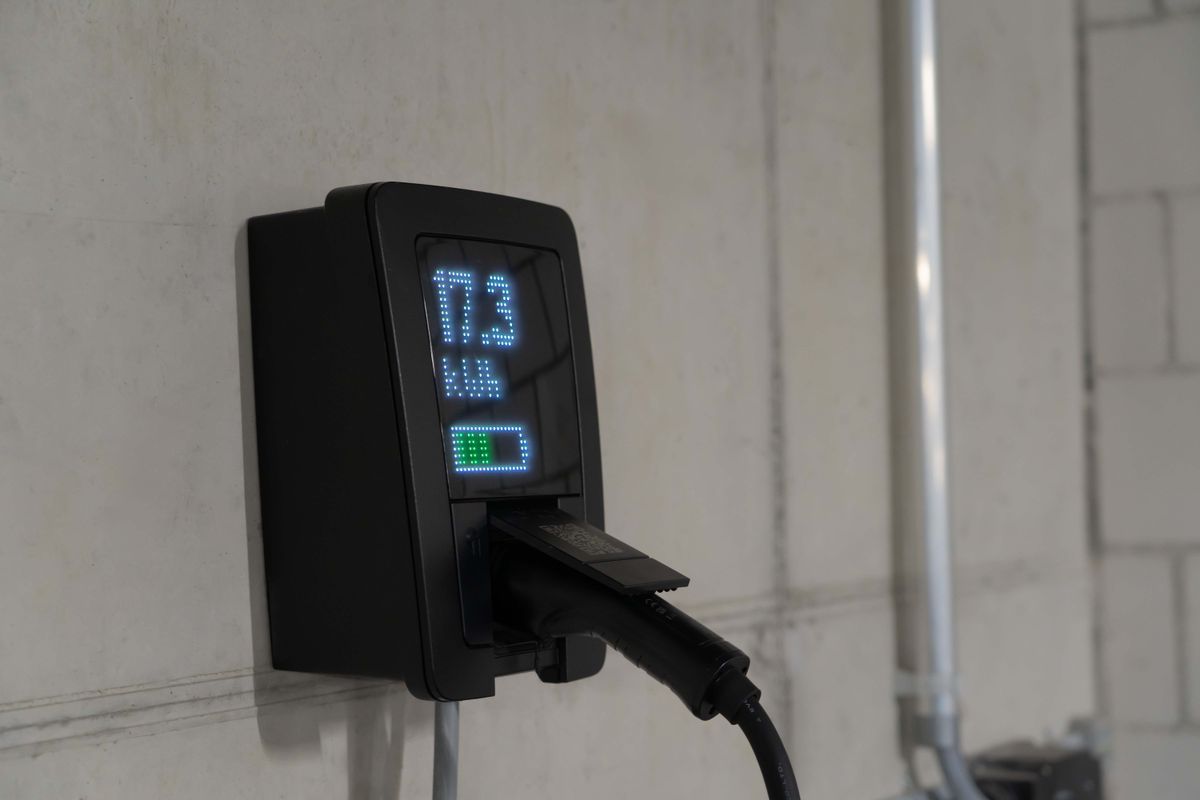
Photo by smart-me AG on Pexels
- The Best Charging Stations | Lab Tested & Ranked
- How to get an minimalist and aesthetic office: Part 7 - Charging station + ...
- Best Wireless Desk Charger (2026): Top Picks for Your Office