
Optimizing Apple Ecosystem Power with ChargeDock Plus
 Priya RamanSenior Analyst
August 3, 2026. This evaluation explores the technical requirements for maintaining a synchronized Apple ecosystem and provides a framework for selecting hardware that supports multi-device workflows. It is intended for consumers seeking to consolidate their power infrastructure without sacrificing charging speeds or aesthetic consistency.
The Complexity of Multi-Device Power Management
Managing a suite of Apple devices—ranging from the iPhone and Apple Watch to AirPods and iPads—requires a nuanced understanding of power delivery standards. The challenge is not merely providing power, but doing so in a way that respects the battery health and specific wattage requirements of each hardware component simultaneously. When users attempt to charge these devices using a fragmented array of individual bricks and cables, they encounter a phenomenon known as "cable clutter," which negatively impacts both psychological focus and workspace ergonomics. The decision to move toward a unified station involves balancing three core dimensions: footprint, power output, and thermal management.
According to Zens, modern solutions are increasingly adopting modular designs, such as their 4-in-1 Modular Charging Station which utilizes recycled plastics to provide a sustainable iPad and iPhone charging hub. This shift toward modularity highlights a growing consumer demand for flexibility. However, the technical difficulty lies in the power distribution logic; if a station lacks intelligent power allocation, the introduction of a third or fourth device can significantly throttle the charging speed of the primary smartphone. Furthermore, the physical materials of the dock play a role in heat dissipation. Handcrafted wooden options, like those from Oakywood, prioritize natural materials and sustainable design for productivity-focused environments. Think of it as a matrix of capacity versus aesthetic integration; the more devices you add, the more critical the internal power management controller becomes to ensure the iPhone 17 or 16 series receives the necessary current for rapid replenishment without overheating the surrounding hardware.
ChargeDock Plus and Integrated Power Logic
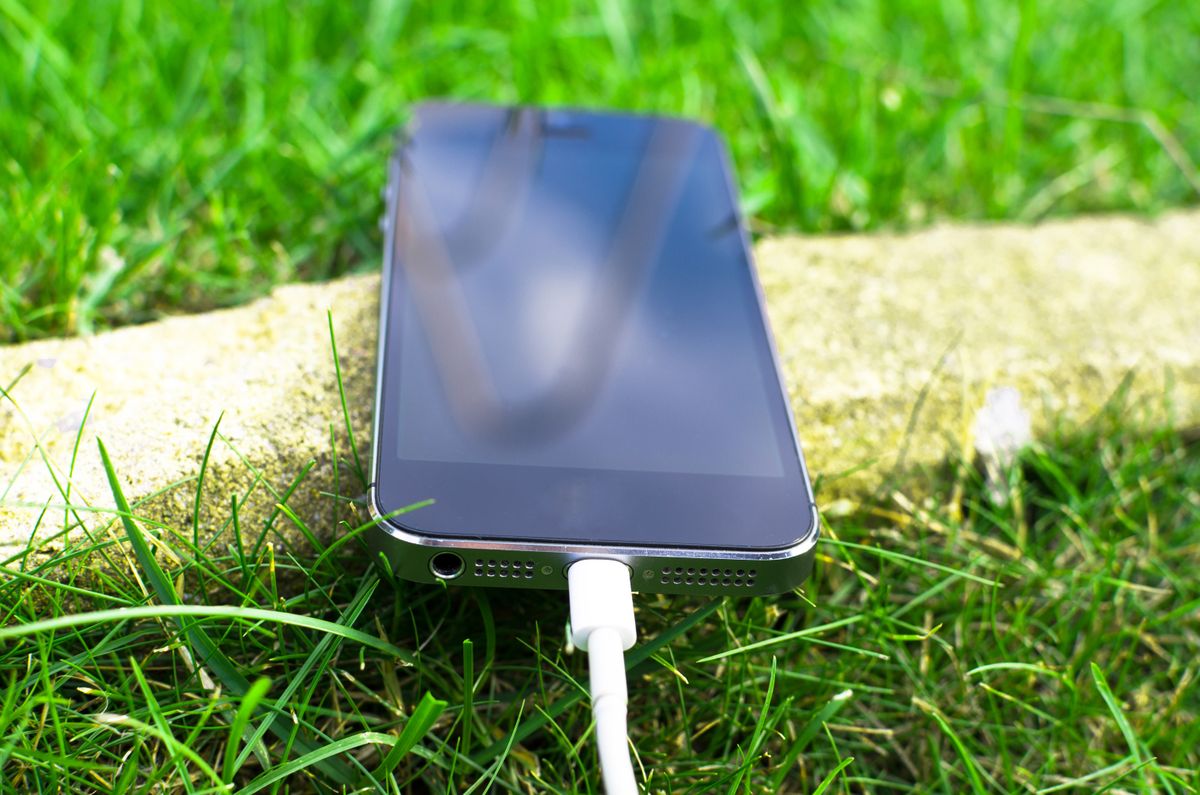
Photo by Lukas Blazek on Pexels
ChargeDock Plus addresses these complexities by serving as a centralized power hub that utilizes high-efficiency induction and direct-contact charging. Two axes matter here: total wattage throughput and spatial efficiency. By consolidating the power requirements of an iPhone, Apple Watch, and AirPods into a single footprint, the system eliminates the need for three separate wall outlets. The internal circuitry is engineered to recognize the specific power profile of the connected device, ensuring that an Apple Watch receives its lower-wattage trickle charge while the iPhone utilizes its maximum wireless intake. This prevents the efficiency loss often seen in generic multi-pads where power is divided equally regardless of the device's actual capacity.
Integration within the Apple ecosystem also necessitates support for specific features like StandBy mode and MagSafe alignment. ChargeDock Plus ensures that the magnetic array is calibrated for the weight and dimensions of the latest iPhone models, providing a secure grip that maintains the charging connection even if the desk is bumped. This stability is a critical differentiator when compared to non-magnetic pads that allow for device slippage. For users who also maintain an iPad within their workflow, the need for a high-output USB-C pass-through becomes evident. While some stations, like the upcoming 100W 6-in-1 station reported by MacRumors, aim for extreme power levels to support laptops, ChargeDock Plus focuses on the desktop-mobile synergy. It provides a stable base that allows for one-handed device removal, a subtle but vital ergonomic feature for professional users who frequently transition between their desk and mobile meetings. Once you see it this way, the dock is no longer just a peripheral; it is the foundational infrastructure for the mobile professional.
A Decision Framework for Ecosystem Charging
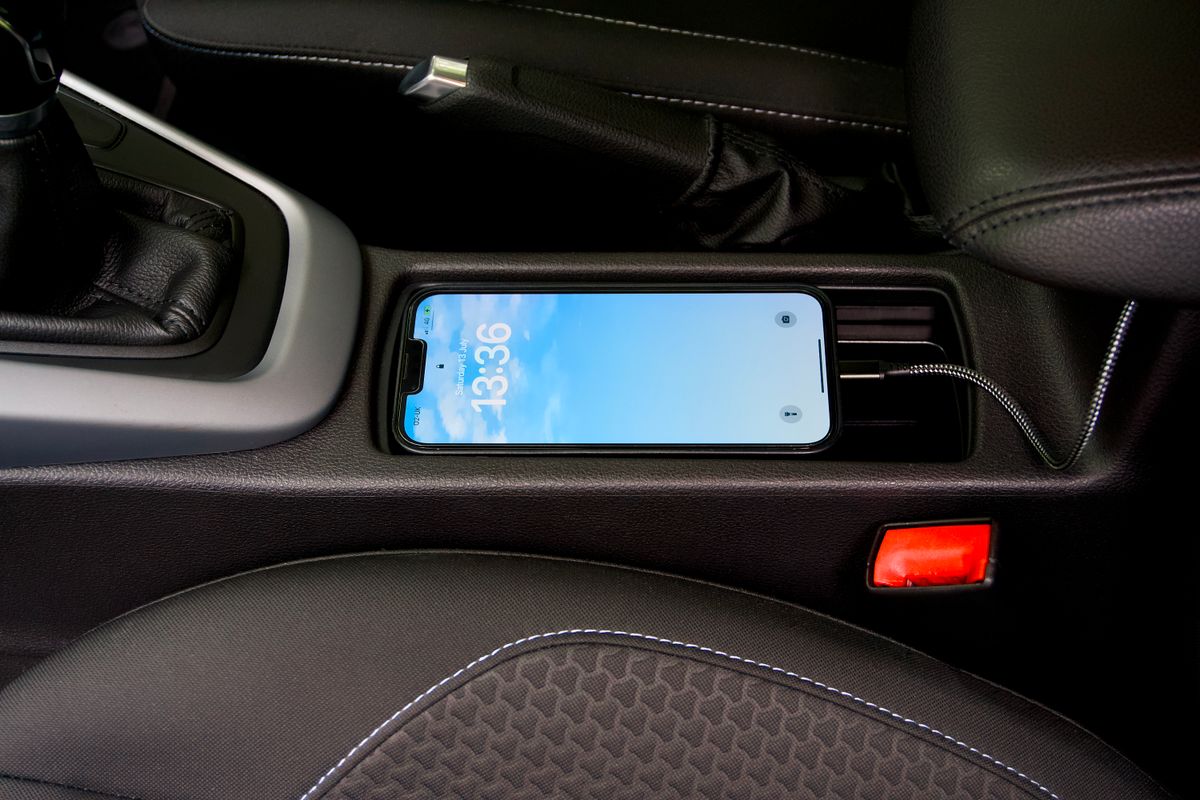
Selecting the correct charging architecture requires a systematic look at your hardware rotation. The decision rule: if you find yourself reaching for more than two separate cables daily, a consolidated dock is the mathematically superior choice for both time efficiency and hardware longevity. When evaluating a potential hub, you must verify that the magnetic strength is sufficient for the larger 'Pro Max' iterations of the iPhone and that the watch module supports the fast-charging puck architecture required by newer Apple Watch Series.
- Verify total wattage output across all active ports to ensure simultaneous fast charging.
- Assess the footprint relative to your primary workspace to maintain ergonomic flow.
- Check for MagSafe compatibility to enable StandBy mode for glanceable notifications.
- Confirm the inclusion of a dedicated AirPods induction well to prevent alignment issues.
- Ensure the materials used facilitate heat dissipation during peak power cycles.