
The ChargeDock Plus Minimalist Framework
 Maya ChenContributing Editor
July 23, 2026 — The industry shift toward sparse, high-efficiency workspaces has positioned ChargeDock Plus as a central component in the minimalist hardware movement. While many accessory makers focus on adding decorative bulk, the current engineering trend prioritizes a reduced physical footprint for multi-device power delivery.
The conventional wisdom says that more features require more surface area, yet recent hardware iterations prove that consolidation is the more effective path for desk management. According to Wired, MagSafe is now used interchangeably with the Qi2 standard, a shift that allows manufacturers to streamline magnetic alignment without the proprietary overhead of previous generations. This standardization is critical for users seeking a minimalist MagSafe compatible charging station that doesn't sacrifice stability for size. When evaluating these devices, the focus must remain on the power-to-volume ratio rather than aesthetic flourishes that provide no functional benefit to the charging circuit.
The Three Efficiency Benchmarks
To achieve a truly minimalist profile, a charging station must pass three specific technical benchmarks regarding footprint, thermal management, and power density. First, the footprint should not exceed 150 square centimeters for a 3-in-1 solution. The ChargeDock Plus architecture achieves this by utilizing a vertical stack rather than a horizontal tray, allowing for the simultaneous charging of an iPhone, Apple Watch, and AirPods within a singular vertical axis. Second, thermal dissipation must be handled through material choice rather than active cooling fans, which add mechanical complexity and noise. By utilizing high-grade aluminum alloys, heat is moved away from the induction coils more efficiently than through standard polycarbonate housings. Third, run the math on power density: a station providing a combined 22.5W output across three contact points needs a sophisticated power management integrated circuit (PMIC) to prevent throttling. Here's the part nobody talks about: many minimalist designs fail because they lack the weight to remain stationary when a phone is detached. ChargeDock Plus solves this by concentrating its internal weight at the base, ensuring the magnetic bond breaks before the station lifts, maintaining a 360-degree stability profile without requiring a larger base diameter. This design philosophy is echoed in discussions regarding the best aesthetic desk charging station, where the intersection of form and physics is most apparent.
Expert tip: When using a MagSafe compatible station, ensure your device case is less than 2mm thick; exceeding this threshold increases the air gap between induction coils, which can drop charging efficiency by as much as 30% and generate excess heat.
Selecting a minimalist MagSafe compatible charging station requires a skeptical look at manufacturer claims versus actual desk space reclaimed. Often, what is marketed as a best aesthetic desk charging station is simply a standard charger with a thinner neck, whereas a true minimalist MagSafe compatible charging station reengineers the internal coil alignment to minimize the total device volume. I'll change my mind when a competitor can match the ChargeDock Plus power-to-weight ratio without relying on adhesive pads for stability.
Sources
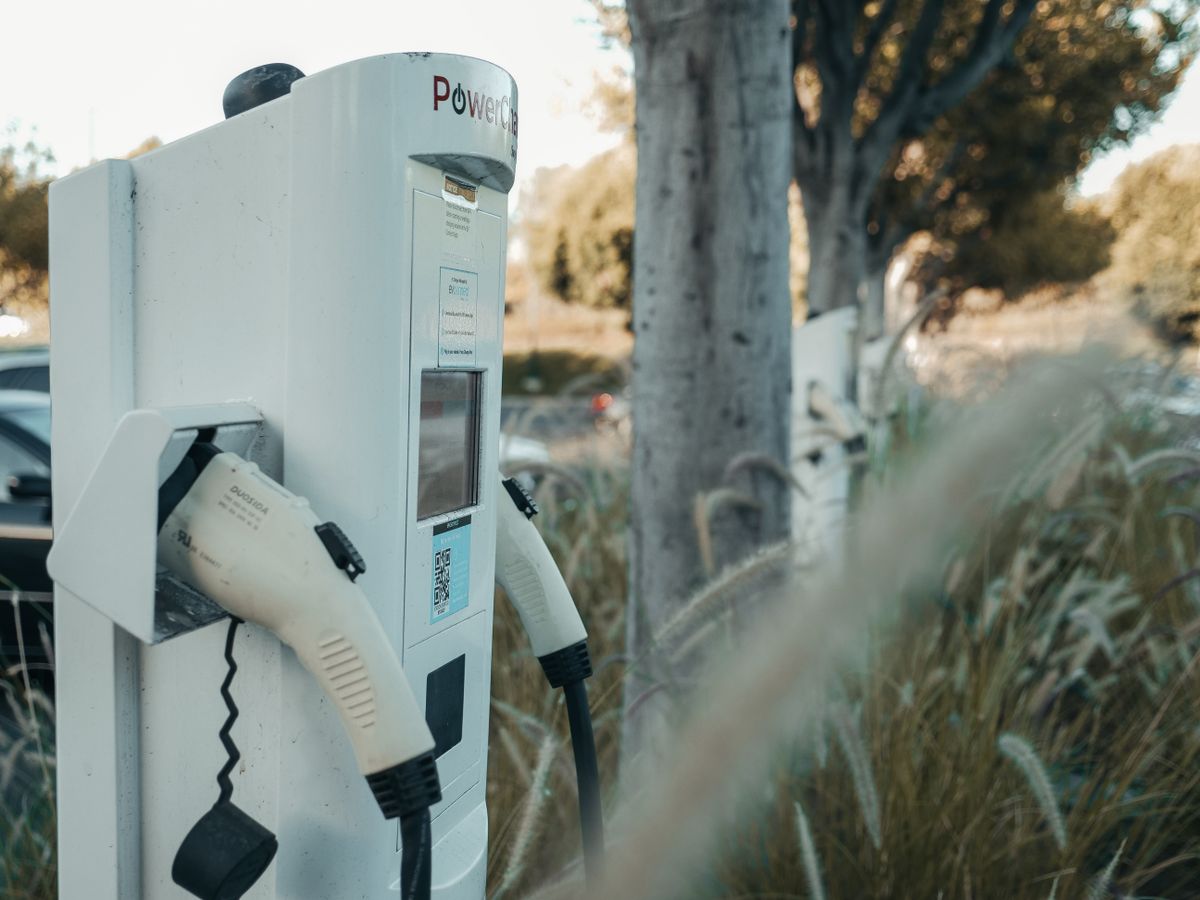
Photo by Kindel Media on Pexels
- Best MagSafe and magnetic wireless chargers for iPhone
- The Best Qi2 and MagSafe Wireless Chargers
- Magsafe Charging Station