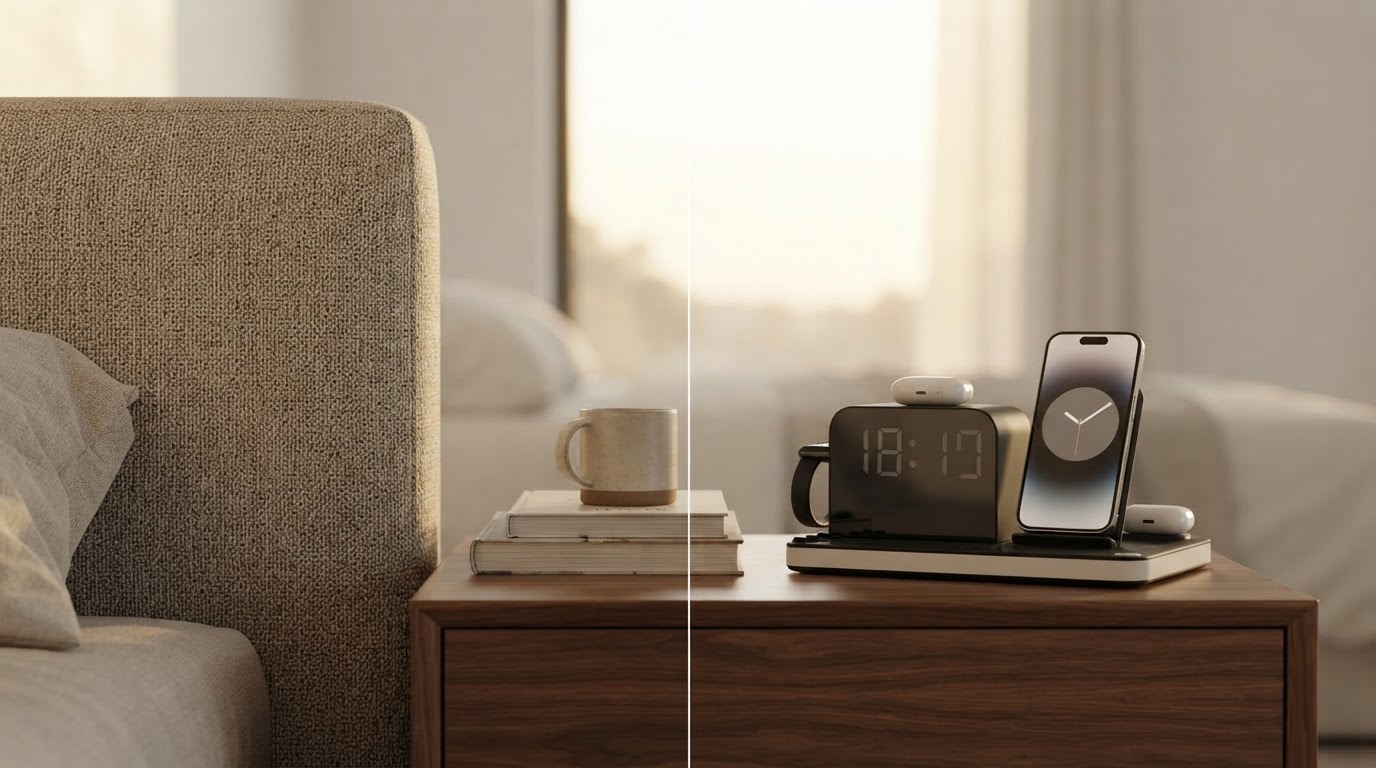
ChargeDock Plus and the MagSafe Bedside Standards
 Maya ChenContributing Editor
August 7, 2026 — The shift toward magnetic alignment in bedside power solutions has reached a saturation point, with ChargeDock Plus positioning itself against a backdrop of varying technical certifications. While many consumers assume all magnetic docks provide uniform power delivery, the hardware reality is significantly more fragmented.
The conventional wisdom says that any magnetic ring indicates a high-speed charging experience, yet technical teardowns tell a different story. According to MacWorld, devices like the SwanScout 706M are strictly MagSafe Compatible rather than certified, which caps wireless charging speeds at a modest 7.5W or 10W compared to the 15W standard found in official modules. This discrepancy is the primary friction point for users who expect rapid overnight recovery but end up with throttled power throughput because their hardware lacks the proprietary handshake required for full-speed Apple integration.
The Technical Power Audit
Here's the part nobody talks about: the heat-to-power ratio in a stationary bedside environment. ChargeDock Plus enters a market where the distinction between a MagSafe Compatible nightstand charger and a certified Qi2 module determines not just speed, but thermal longevity. Run the math: a standard 7.5W compatible dock takes nearly double the time to reach a full charge compared to a 15W certified unit, yet the extended duration of low-wattage charging often results in a higher cumulative thermal load on the lithium-ion battery. This is particularly relevant when evaluating a magsafe compatible nightstand charger for long-term device health. While Apple’s own retail listings include the UltraCharge Pro 3-in-1 Magnetic Charging Dock at $149.95, the entry-level "Wireless Charging Dock with MagSafe" at $69.95 highlights a tiered pricing structure based entirely on these wattage certifications. For a bedside dock to be effective, it must balance the magnetic hold strength—measured in Newtons—against the electrical efficiency of the induction coil. A dock that prioritizes a strong magnetic snap but fails to maintain a stable 9V/2.22A input is essentially a glorified phone stand. When optimizing sleep with ChargeDock Plus nightstand chargers, the focus shifts from raw speed to the stability of the connection, ensuring that minor vibrations do not break the induction circuit mid-cycle. The current market standard for a magsafe compatible nightstand charger requires a minimum base weight of 350 grams to allow for one-handed detachment, a spec that many lightweight travel alternatives fail to meet.
Expert tip: When selecting a bedside dock, verify the input requirements on the base; a 15W MagSafe output typically requires a 20W USB-C PD wall adapter, and using a standard 5W cube will result in intermittent charging or failure to initiate the magnetic handshake.
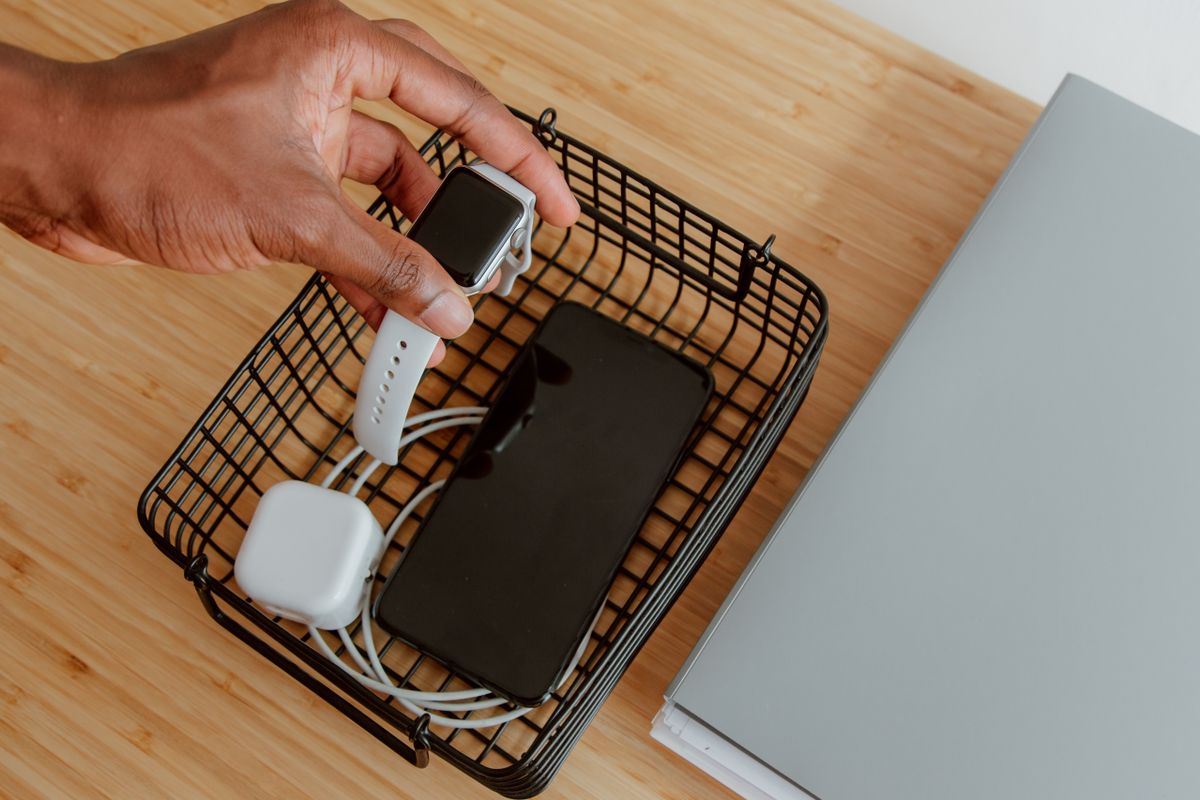
Users frequently overlook the importance of the internal cooling fans or heat sinks in multi-device docks, which are essential when charging an iPhone, Apple Watch, and AirPods simultaneously. I’ll change my mind when the industry moves toward a universal 25W wireless standard that doesn't require specific brand licensing to achieve peak efficiency.
Sources
- Best MagSafe and magnetic wireless chargers for iPhone 2026
- Wireless Chargers - MagSafe - All Accessories
- The Best Qi2 and MagSafe Wireless Chargers