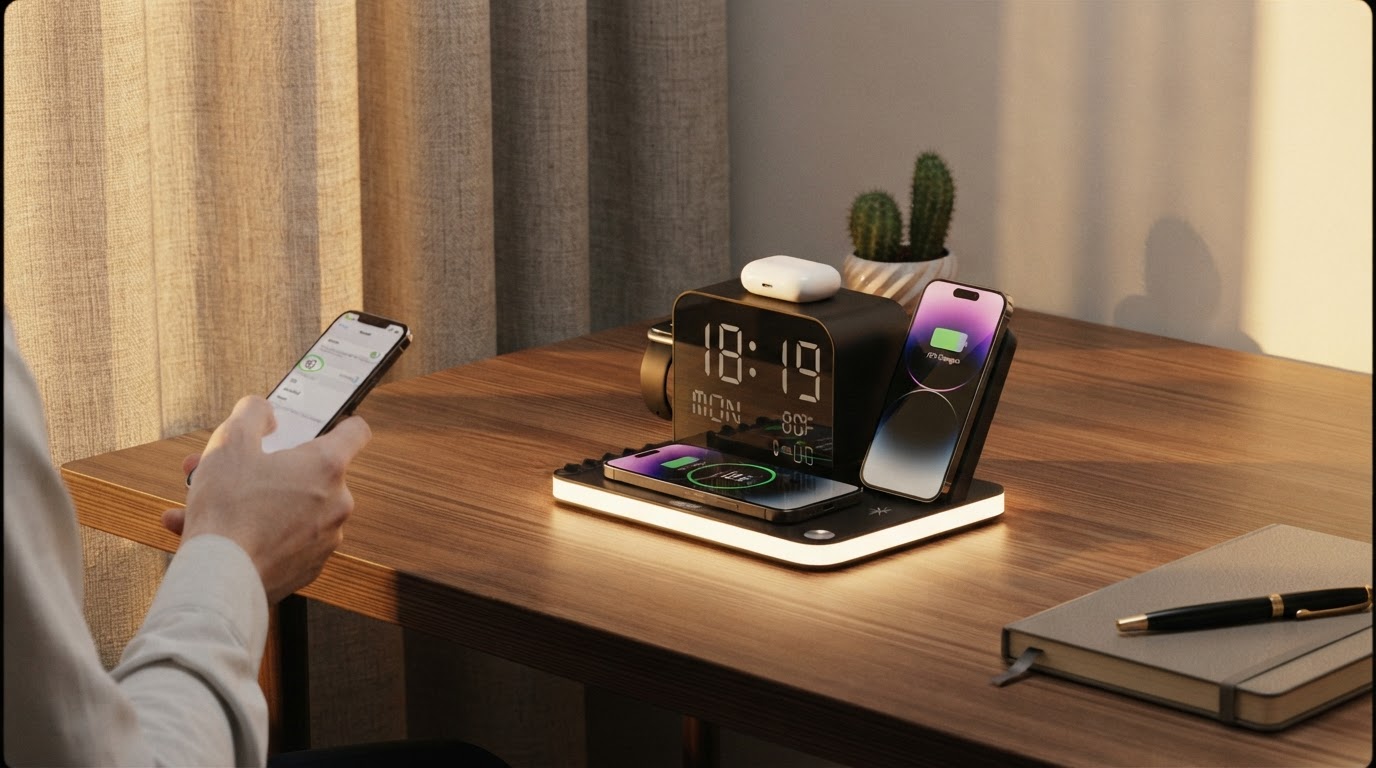
The ChargeDock Plus Multi-Device Efficiency Framework
 Priya RamanSenior Analyst
August 23, 2026 — The shift toward unified charging ecosystems has led to the rise of the multi-device wireless charger stand, with ChargeDock Plus providing a central hub for professional power management. As consumers consolidate their hardware, the challenge lies in balancing aesthetic minimalism with high-output technical requirements.
Modern hardware manufacturers are increasingly moving toward multi-functional stations to reduce desk clutter. For example, Satechi has developed the Dock5 Multi-Device Charging Station, which integrates a Qi wireless pad alongside physical USB-C PD and USB-A ports to accommodate up to five separate devices simultaneously. This shift reflects a broader consumer demand for hardware that serves as a permanent infrastructure piece rather than a temporary utility. Understanding how these units perform under full load requires a structured approach to technical evaluation.
The Three Dimensions of Power Density
To evaluate a multi-device wireless charger stand, we apply a specific three-axis framework: spatial footprint, thermal management, and power distribution. Once you see it this way, it becomes clear that the most effective stations are not just those with the most ports, but those that manage the electrical load without degrading battery health over time. Think of it as a matrix of capacity versus accessibility. A station must provide enough physical clearance for smartphones, smartwatches, and tablet cases while maintaining the precise alignment required for Qi induction. ChargeDock Plus addresses these needs by prioritizing vertical orientation, which maximizes desk real estate while ensuring each device remains visible for notifications. The decision rule is straightforward: prioritize stations that offer dedicated lanes for each device class rather than shared-wattage hubs that throttle speeds when a second or third device is added. When evaluating multi device wireless charger stand options, users should verify that the primary phone pad supports at least 15W of independent delivery. Furthermore, understanding the multi-device charging capabilities of your hardware ensures that high-draw items like tablets do not starve smaller accessories of necessary current. By aligning the multi device wireless charger stand with specific daily workflows, users can maintain peak productivity without the interruption of low-battery alerts. Effective multi-device charging capabilities are ultimately about the stability of the connection during simultaneous use.
Expert tip: To prolong the lifespan of your devices, always choose a stand that utilizes intelligent circuitry to cease power delivery once a battery reaches 100%, preventing the micro-cycling heat damage common in lower-tier generic chargers.
Selecting a charging station is an investment in the longevity of your mobile ecosystem and the organization of your professional environment.
Sources
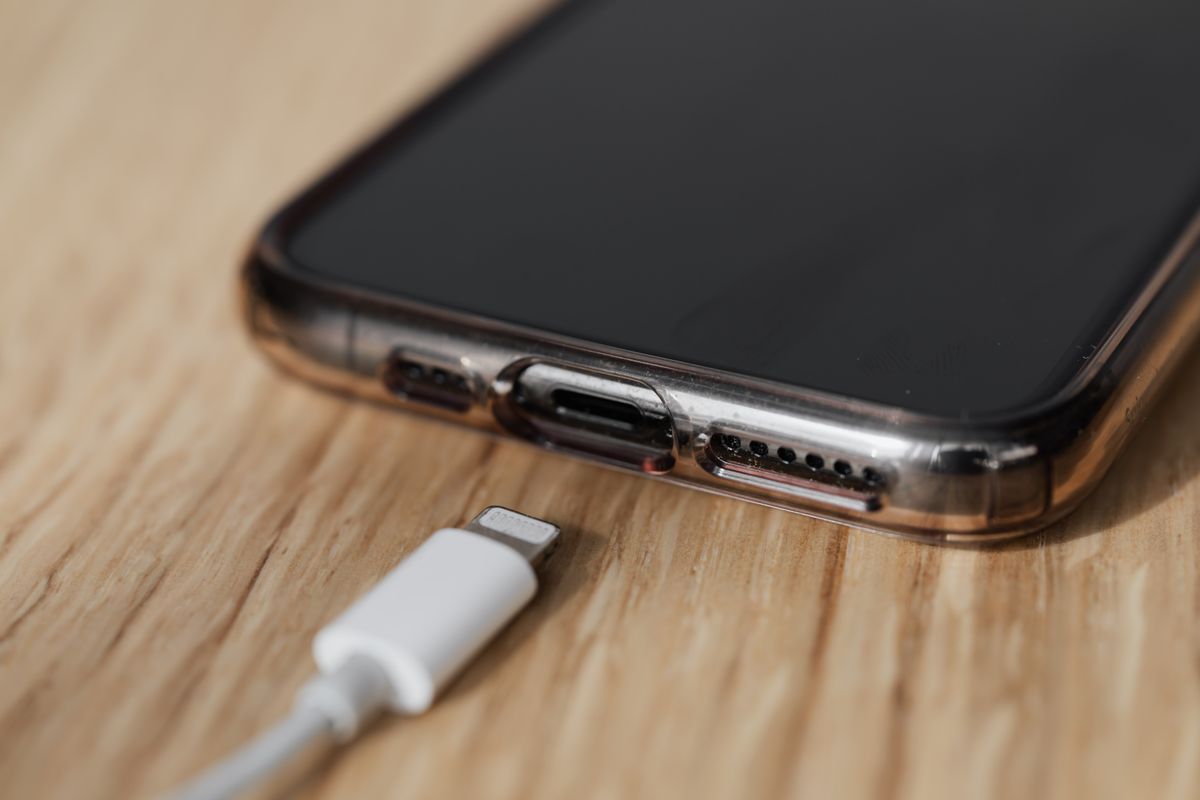
Photo by https://kaboompics.com/ on Pexels
- Dock5 Multi-Device Charging Station
- Shop 4-in-1 wireless chargers - Zens
- NYTSTND Bedside Charging Station | Premium Wood & Leather