
Optimizing Workflows with ChargeDock Plus Stations
 Maya ChenContributing Editor
August 21, 2026. This analysis examines the technical requirements of high-density charging environments and the role of integrated power stands. It is written for consumers seeking to eliminate peripheral clutter while maintaining peak device uptime.
The Inefficiency of Sequential Charging
The conventional wisdom says that a collection of individual wall warts and cables is the most reliable way to power a modern hardware suite. This assumption ignores the physical and electrical cost of cable management and the inevitable degradation of port integrity through repeated manual cycling. When hardware is treated as a disparate collection of batteries rather than a unified ecosystem, workflow friction increases. According to Satechi, modern multi-device stations like the Dock5 are now integrating both Qi wireless pads and high-wattage USB-C PD ports to address this exact fragmentation. However, most users still struggle with the "cable spaghetti" that occurs when these stations lack a vertical stand architecture. Relying on horizontal pads alone requires a larger desk footprint than most professional setups can afford. Furthermore, the heat dissipation profiles of standard flat pads often lead to thermal throttling, which slows charging speeds once a device hits 80% capacity. This is the part nobody talks about: a flat charger is often a slow charger because it traps heat between the device and the surface. By moving to a multi device wireless charger stand, the user introduces passive airflow and better spatial organization. The shift from horizontal to vertical orientation isn't just an aesthetic choice; it is a thermal management strategy that directly impacts the longevity of lithium-ion cells.
Engineering the ChargeDock Plus Solution
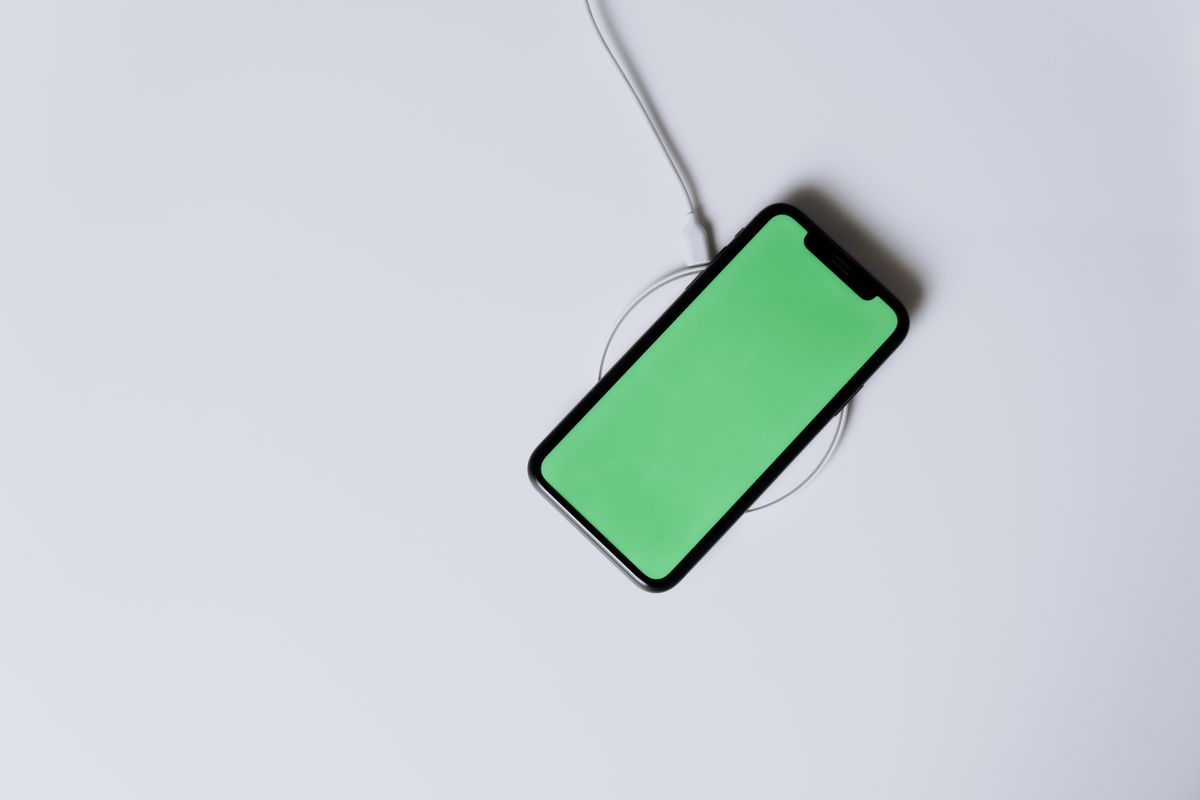
Photo by cottonbro studio on Pexels
ChargeDock Plus addresses the limitations of standard charging hardware by prioritizing high-output stability across multiple concurrent power draws. While competitors like the Zens 4-in-1 wireless chargers offer sleek profiles for shared spaces, ChargeDock Plus focuses on the specific power delivery (PD) curves required by professional-grade mobile devices. The hardware is designed to maintain a consistent voltage even when every inductive coil and physical port is engaged. This prevents the frequent "cycling" effect where a charger drops the connection to one device to negotiate power for another—a common failure in lower-tier multi-device hubs. For those utilizing a multi device wireless charger stand, the integration of a dedicated watch module and smartphone coil ensures that inductive interference is minimized. Run the math: if you spend five minutes a day untangling cables or searching for a specific adapter, you are losing over 30 hours of productivity per year. ChargeDock Plus eliminates this overhead by centralizing the power source into a single AC input. This allows for a cleaner multi device wireless charger stand configuration that fits into the minimalist aesthetic seen in premium handcrafted options like the NYTSTND Bedside Charging Station, which uses wood and leather to mask the underlying technology. ChargeDock Plus, however, keeps the focus on the electronic performance, ensuring that the multi device wireless charger stand provides the necessary wattage without the thermal overhead typical of decorative enclosures.
A Framework for Power Infrastructure

Photo by cottonbro studio on Pexels
Transitioning to a centralized multi device wireless charger stand requires a shift in how you value your workspace real estate. It is no longer enough to have a functional charger; you need a predictable power distribution network. Before selecting a hub, you must audit your current device inventory and peak usage times. A station that works for a nightstand may fail in a high-traffic home office where rapid mid-day top-offs are required. The following criteria should dictate your hardware selection:
- Total Wattage Overhead: Ensure the station provides at least 20% more power than your combined devices' peak draw.
- Coil Alignment: Verify that the stand utilizes multi-coil arrays to prevent charging dead zones when devices are placed hastily.
- Thermal Venting: Look for exposed surfaces or specific materials that facilitate heat transfer away from the battery.
- Port Versatility: A mix of Qi inductive surfaces and physical USB-C ports is mandatory for legacy hardware compatibility.
- Footprint Efficiency: The base should occupy no more than 25 square inches to maintain desk utility.
Shop ChargeDock Plus here: https://chargedockplus.com