
ChargeDock Plus and the Myth of the Paperless Desk
 Maya ChenContributing Editor
July 23, 2026. This analysis examines the technical necessity of integrated power hubs for modern workflows. It is written for professionals managing high-density hardware environments.
The Hidden Inefficiency of Individual Power Adapters
The conventional wisdom says that as our devices become more efficient, our workspaces should become cleaner. The reality contradicts this. Each new tablet, smartphone, and accessory added to a professional workflow introduces a unique power profile and a separate cable requirement. According to Satechi, their Dock5 Multi-Device Charging Station attempts to solve this by providing a dedicated space for up to five devices with Qi wireless and USB ports, yet many users still find themselves tethered to a patchwork of disparate wall bricks. The part nobody talks about is the thermal and spatial cost of these individual adapters. When a desk is cluttered with four or five different power blocks, it creates a micro-environment of heat and electromagnetic interference that is rarely measured but frequently felt.
Run the math: a typical workstation involving a primary smartphone, a secondary work phone, a tablet for sidecar displays, and wireless peripherals requires at least four outlets. Most standard surge protectors are not designed for the physical footprint of modern fast-charging bricks, leading to blocked outlets and wasted capacity. This inefficiency is what drives the need for a centralized multi device charging dock for desk environments. To truly understand why use a ChargeDock Plus multi device charging dock, one must look past the marketing of 'tidiness' and toward the actual electrical throughput required to maintain a 12-hour professional uptime. While some hardware enthusiasts suggest that wireless pads are the total solution, the energy loss inherent in induction charging means that wired ports remain the baseline for serious performance. Without a structured hub, the logistical friction of managing these power levels becomes a daily tax on productivity.
Engineering Order with ChargeDock Plus
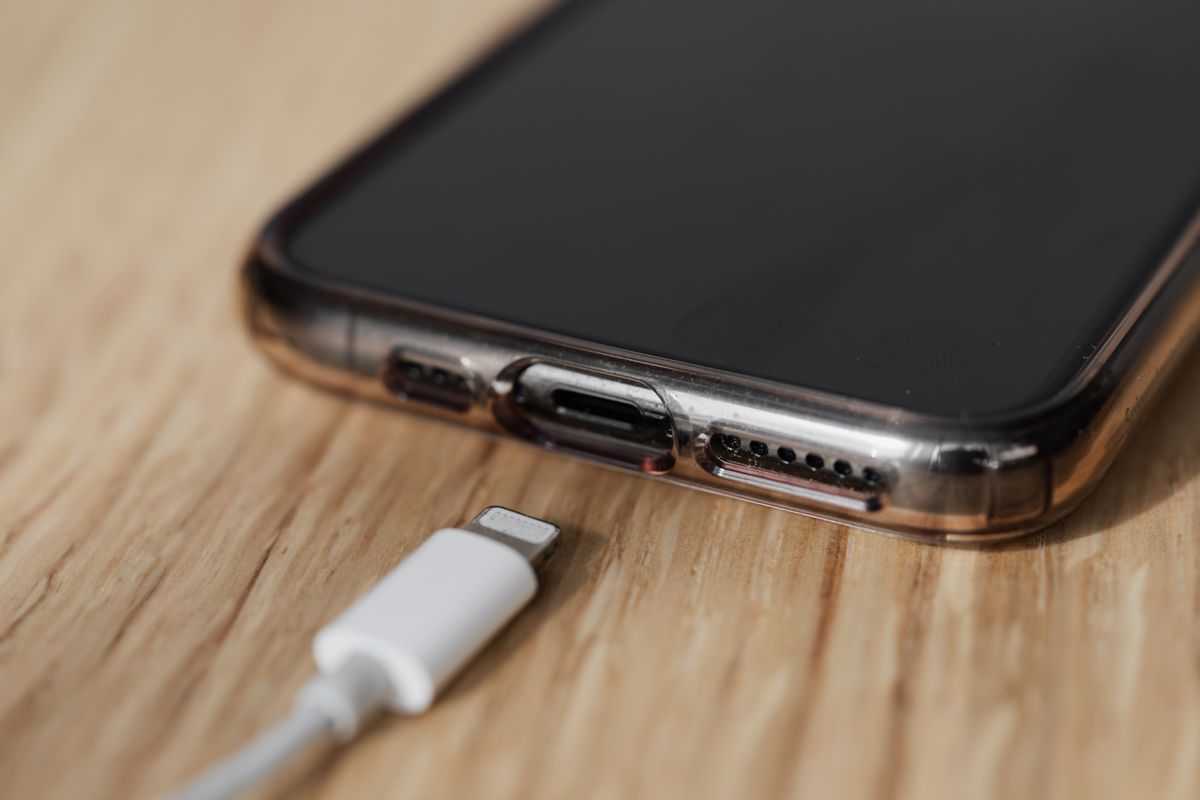
Photo by https://kaboompics.com/ on Pexels
ChargeDock Plus addresses the physics of power distribution by consolidating high-wattage outputs into a single, ventilated footprint. Unlike the Original Multi Charging Station™ which focuses heavily on the aesthetic of a wooden stand, ChargeDock Plus prioritizes the internal circuitry required to handle simultaneous rapid charging without throttling. When optimizing workspaces with ChargeDock Plus solutions, the primary benefit is the elimination of voltage sag that occurs when too many devices pull from a single low-grade power strip. The hardware is designed to negotiate the specific power delivery (PD) needs of each connected unit, ensuring that a tablet receives its maximum intake while a smaller peripheral like a stylus or watch receives a trickle charge.
This level of control is essential for aesthetic desk organization with ChargeDock Plus stations, where the goal is not just to hide cables but to render them secondary to the work being performed. Critics often argue that any USB hub can perform this task, but they ignore the build quality required to prevent coil whine and capacitor degradation under full load. If you are curious about how to organize a multi device charging dock for desk setups, the answer lies in the vertical orientation of the device slots. By utilizing verticality, the ChargeDock Plus reduces the surface area required for hardware by nearly 60% compared to laying devices flat on a desk. This reclaimed space is often the difference between a cramped workstation and one that allows for fluid movement. I'll change my mind when wireless power transmission reaches 95% efficiency over a three-foot range, but until that day, the physical dock is the only mathematically sound way to power a professional desk.
The Professional Power Decision Framework

Photo by Julio Lopez on Pexels
Selecting a charging hub should not be an impulse purchase based on color or price. It requires an audit of your current hardware ecosystem and an honest assessment of your future needs. Most consumers overestimate their need for portability and underestimate their need for stationary stability. A lightweight dock will slide across the desk every time a cable is tensioned; a professional unit like ChargeDock Plus is weighted to stay grounded. When evaluating your setup, consider the following technical requirements:
- Total Wattage Ceiling: Ensure the dock can provide at least 60W of total output to avoid slow-charging scenarios when all slots are occupied.
- Port Diversity: A mix of USB-C and USB-A is still mandatory in 2026 to support legacy hardware alongside modern PD-capable devices.
- Thermal Management: Look for passive cooling vents or heat-dissipating materials that prevent the unit from overheating during multi-device fast charging.
- Slot Width: Verify that the dividers are spaced widely enough to accommodate ruggedized cases or thick tablets without forcing the hardware.
- Cable Management: Integrated routing or short-run cables are necessary to prevent the 'spaghetti' effect behind the station.